Embracing Neurodiversity: A Guide to Supportive Autism Care
At our autism care center, we believe that understanding and support can transform lives. Autism Spectrum Disorder (ASD) is not a condition to be “cured,” but a different way of experiencing the world—one that deserves respect, accommodation, and celebration.
What Autism Really Means
Autism is a neurodevelopmental condition characterized by differences in social communication, sensory processing, and patterns of thinking and behavior. But that clinical definition hardly captures the whole picture. Every autistic individual has their own unique strengths, challenges, and perspectives. Some might excel in pattern recognition, attention to detail, or creative thinking, while others might bring incredible focus and dedication to their interests.
Our Holistic Approach to Care
1. Individualized Support Plans
There is no one-size-fits-all approach to autism support. We work closely with each individual and their family to create personalized strategies that:
- Build on strengths and interests
- Develop communication skills (whether verbal, non-verbal, or through assistive technology)
- Provide tools for managing sensory sensitivities
- Support the development of daily living skills
2. Family-Centered Care
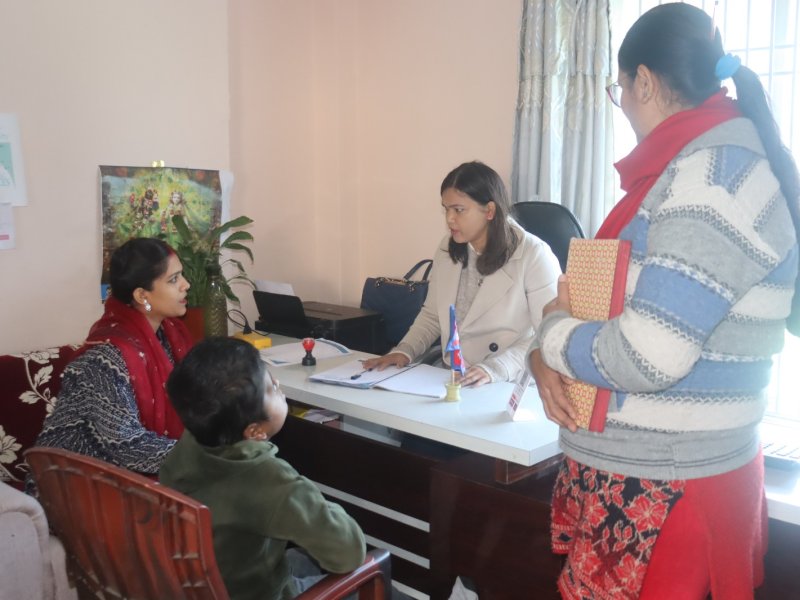
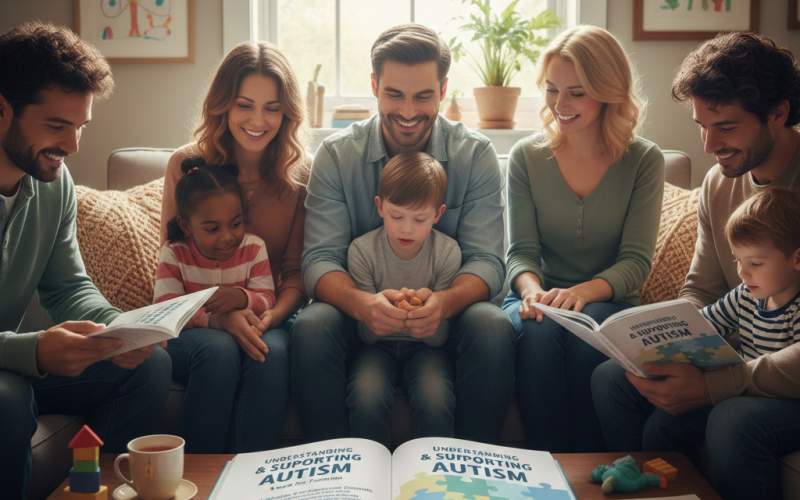
Autism affects the whole family, and support must extend to parents, siblings, and caregivers. We offer:
- Parent education and coaching
- Sibling support groups
- Family counseling and respite services
- Help navigating educational and community systems
3. Skill Development Across the Lifespan
Our services adapt as individuals grow:
- Early childhood: Focus on communication, social engagement, and foundational learning
- School-age: Support for academic success, peer relationships, and executive functioning
- Transition years: Preparation for adulthood, including vocational training and independent living skills
- Adulthood: Support with employment, community engagement, and continued personal growth
Creating Autism-Friendly Environments
Simple adjustments can make spaces more inclusive:
At Home:
- Create predictable routines with visual schedules
- Designate quiet spaces for sensory regulation
- Use clear, concrete language and allow processing time
In the Community:
- Offer sensory-friendly hours at public venues
- Provide visual supports and social stories for new experiences
- Train staff in autism awareness and communication strategies
Celebrating Neurodiversity
The neurodiversity movement reminds us that neurological differences are natural variations in the human genome—not defects to be fixed. When we create spaces where autistic individuals can thrive as their authentic selves, everyone benefits. We gain different problem-solving approaches, unique artistic perspectives, and technological innovations that might otherwise never emerge.
Moving Forward Together
Supporting autistic individuals isn’t about trying to make them “less autistic.” It’s about:
- Removing barriers to participation
- Teaching skills that increase independence
- Celebrating autistic identity
- Building communities where everyone belongs
At our center, we’re committed to walking this path with families—providing evidence-based support while honoring each individual’s right to self-determination and dignity.
If you’re beginning your autism journey or looking for additional support, we’re here to help. Together, we can build a world that recognizes the incredible value of neurodiversity.